In today’s world, conversations about social media often begin and end with one question: “How many hours are children spending online?”
But what if we are asking the wrong question?At Vidya Lead Academy, through our work as addiction therapists, we are seeing something deeper—something more human. Excessive social media use among students is not just about screen time. It is about coping, emotions, identity, and early exposure to complex digital realities.
For many young people, the online world is not separate from life—it is life.
The Emotional Reality Behind the Screen

Students today are navigating pressures that did not exist a generation ago—comparison, validation through likes, fear of missing out, and exposure to adult content far too early.
What may look like “addiction” is often:A way to cope with stress or loneliness


As cyber law expert Pavan Duggal notes, such cases have increased sharply, often fueled by easy access to smartphones and digital tools.
Suneel Vatsyayan highlights another painful layer—the stigma. Victims are not only harmed online but often judged by society, leading to guilt, isolation, and silence.
Most cases go unreported.
And this is where the issue becomes larger than technology—it becomes a question of dignity, safety, and mental health.
The Blurred Line Between Online and Real Life
A recent debate on DD News raised an important question:
When does a virtual boundary cross into real-world harm?
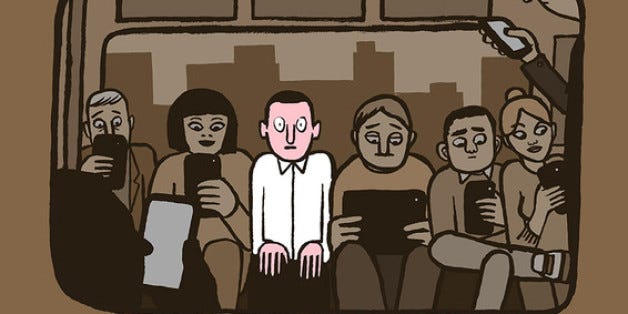
The answer is simple—and uncomfortable.
It already has.Online behavior influences real-life choices
Digital exposure shapes identity and habits
Peer influence now travels faster, wider, and deeper
Research globally shows that what teenagers see online—whether it is substance use, risky behavior, or harmful trends—they are more likely to imitate.
Even in India, incidents like large student gatherings organized through social media point to how quickly digital spaces can translate into real-world consequences.
The Need for a “Social Defence”
The question is no longer whether children should use social media.
The question is: How do we prepare them for it?
Monitoring alone is not enough. Control alone is not sustainable.
What we need is a social defence system—built collectively by:Families
Schools Communities
Because when children stop talking to us, they start turning elsewhere for answers.
What We Offer at Vidya Lead Academy
At Vidya Lead Academy, we believe in building awareness, not fear.
In developing self-regulation, not enforcing restriction.
We offer:
Our approach is empathetic, practical, and rooted in real-life experiences—not just theory.
An Invitation to Collaborate
If your school or institution is noticing:Increased screen dependency
Behavioral or emotional shifts in students
Concerns around online safety
We would be happy to design a session tailored to your needs.
Because this is not just about technology.
It is about growing up in a world where the boundaries between real and virtual are dissolving—and ensuring our children are not left to navigate it alone.
Let’s start the conversation.
Reach out to Vidya Lead Academy to explore workshops and sessions for your students, parents, and educators.
If your school or institution is witnessing changes in student behaviour,
this is the right time to act.
We’d be happy to design a session tailored to your needs.
📩 Contact us to schedule a workshop or consultation
🌐 https://vidyaleadacademy.com/
📞 01204941255
Learning that Enriches. Action that Distinguishes.
- A search for belonging
- A response to anxiety or emotional overwhelm
- This is why restriction alone does not work. Taking away the phone does not take away the feeling.
- When the Digital World Turns Harmful
As cyber law expert Pavan Duggal notes, such cases have increased sharply, often fueled by easy access to smartphones and digital tools.
Suneel Vatsyayan highlights another painful layer—the stigma. Victims are not only harmed online but often judged by society, leading to guilt, isolation, and silence.
Most cases go unreported.
And this is where the issue becomes larger than technology—it becomes a question of dignity, safety, and mental health.
The Blurred Line Between Online and Real Life
A recent debate on DD News raised an important question:
When does a virtual boundary cross into real-world harm?
The answer is simple—and uncomfortable.
It already has.Online behavior influences real-life choices
Digital exposure shapes identity and habits
Peer influence now travels faster, wider, and deeper
Research globally shows that what teenagers see online—whether it is substance use, risky behavior, or harmful trends—they are more likely to imitate.
Even in India, incidents like large student gatherings organized through social media point to how quickly digital spaces can translate into real-world consequences.
The Need for a “Social Defence”
The question is no longer whether children should use social media.
The question is: How do we prepare them for it?
Monitoring alone is not enough. Control alone is not sustainable.
What we need is a social defence system—built collectively by:Families
Schools Communities
- This includes:Open conversations instead of fear-based rules
- Media literacy to understand consequences
- Emotional support systems
- Safe spaces where children can talk without judgement
Because when children stop talking to us, they start turning elsewhere for answers.
What We Offer at Vidya Lead Academy
At Vidya Lead Academy, we believe in building awareness, not fear.
In developing self-regulation, not enforcing restriction.
We offer:
- Paid Workshops (Schools & Institutions)Understanding digital behavior and emotional triggers
- Social media literacy and real-life consequences
- Safe online practices and boundary setting
- Peer influence and decision-making
- Individual & Online Sessions Support for students struggling with excessive use
- Guidance for parents navigating digital challenges
- Counseling for emotional and behavioral concerns
- Practical tools for healthier digital habits
Our approach is empathetic, practical, and rooted in real-life experiences—not just theory.
An Invitation to Collaborate
If your school or institution is noticing:Increased screen dependency
Behavioral or emotional shifts in students
Concerns around online safety
We would be happy to design a session tailored to your needs.
Because this is not just about technology.
It is about growing up in a world where the boundaries between real and virtual are dissolving—and ensuring our children are not left to navigate it alone.
Let’s start the conversation.
Reach out to Vidya Lead Academy to explore workshops and sessions for your students, parents, and educators.
If your school or institution is witnessing changes in student behaviour,
this is the right time to act.
We’d be happy to design a session tailored to your needs.
📩 Contact us to schedule a workshop or consultation
🌐 https://vidyaleadacademy.com/
📞 01204941255
Learning that Enriches. Action that Distinguishes.
Comments
Post a Comment